
Soakaway Investigation &
Blocked Soakaway Diagnosis
Investigation-led diagnosis of blocked, overflowing, slow-draining and failed soakaway systems across Hertfordshire and surrounding areas.
Blocked Soakaway? Rainwater Backing Up? Soakaway Not Emptying?
When rainwater drainage starts overflowing or a soakaway remains full, it is easy to assume that the soakaway itself has failed.
But the visible symptom does not always identify the fault.
The problem could be a blocked incoming drain, root ingress, damaged pipework, silt accumulation, an undersized system, saturated ground, poor infiltration — or several problems occurring at the same time.
At Flowcraft Groundworks, we investigate why the water isn't getting away before recommending how to fix it.
Investigate First.
Excavate Second.
Is the Drainage Blocked — or Is the Soakaway Failing?
This is one of the most important distinctions when investigating a soakaway problem. A soakaway system effectively has two jobs:
The drainage has to successfully carry the water to the soakaway.
The soakaway and surrounding ground then have to accept and disperse that water.
A failure at either stage can produce similar symptoms at the surface.
If the incoming drainage is blocked, damaged or restricted, the soakaway itself may still be perfectly functional. If the incoming drainage is clear but the soakaway fills and fails to recover, the problem may be within the soakaway or the surrounding ground. And sometimes both parts of the system have deteriorated.
Establishing where the restriction or failure is occurring is therefore fundamental before significant excavation or replacement work is considered.
Rainwater backing up during wet weather? Read why a soakaway may overflow and what should be checked before replacement.
Common Signs of a Soakaway Problem
Rainwater Gullies Overflow
Water rising from gullies during rainfall can indicate that the downstream drainage system cannot accept water quickly enough. The restriction could be within the pipework, the soakaway or the surrounding ground.
Rainwater Drains or Downpipes Back Up
Water backing up through drainage channels, gullies or rainwater pipes can indicate a downstream restriction or a soakaway already at capacity.
The Soakaway Remains Full
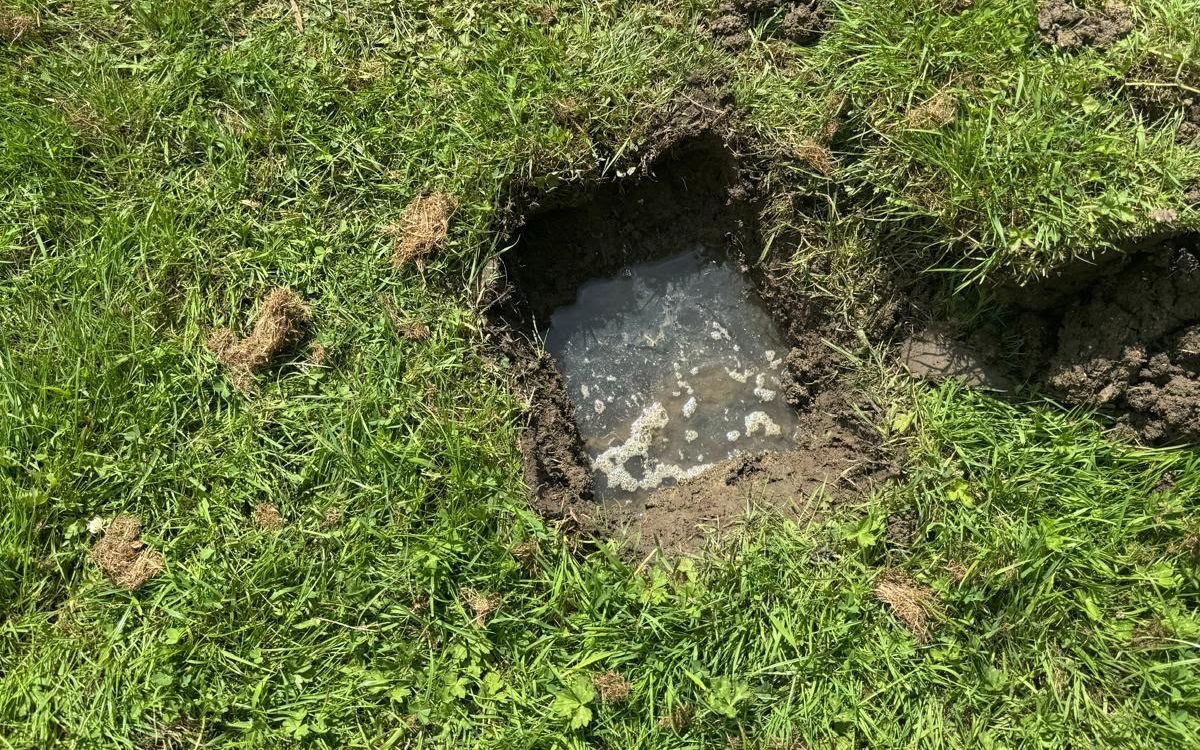
Where an existing soakaway can be inspected, standing water remaining for an extended period after rainfall can indicate restricted infiltration, saturated ground, sediment accumulation or deterioration of the system.
Drainage Has Become Increasingly Slow
A system that previously worked but has gradually become less effective may be suffering from siltation, root ingress, deteriorating pipework or reduced infiltration performance.
Flooding During Heavy or Prolonged Rainfall
Some systems cope with short or light rainfall but begin backing up during sustained rainfall as storage capacity is exhausted or surrounding ground becomes saturated.
Standing Water Above or Around the Soakaway
Water appearing at ground level can indicate that the system is unable to disperse incoming water at a sufficient rate.
Problems Started After an Extension, Patio or Driveway
Increasing the impermeable area of a property can significantly increase the amount of surface water entering an existing drainage system. A soakaway that was adequate for the original property may no longer have sufficient capacity.
Why Do Soakaways Stop Working?
There is rarely any benefit in simply labelling a system as a "failed soakaway" without understanding the failure mechanism. Common causes include:
Blocked Drainage
Leaves, sediment, organic matter and debris can accumulate within surface water drainage and restrict the flow towards the soakaway.
Root Ingress
Roots can enter damaged joints, chambers and older drainage systems, gradually reducing the available flow area.
Damaged or Collapsed Pipework
Displaced joints, crushed pipes and structural damage can prevent water reaching the soakaway correctly.
Siltation
Fine sediment entering a soakaway can accumulate over time, reducing effective storage volume and potentially restricting infiltration.
Poor Infiltration
A soakaway can only function effectively if the surrounding ground is capable of accepting water at an adequate rate.
Saturated Ground
During prolonged wet weather, surrounding ground can become saturated and temporarily lose much of its ability to accept additional water.
Insufficient Capacity
An existing soakaway may be too small for the volume of water entering it. This can become particularly apparent after extensions, patios, driveways or other impermeable surfaces have been added.
Ageing Construction
Older rubble, brick and hardcore soakaways can gradually lose effective storage as sediment and surrounding soil migrate into the available voids.
Changes to the Drainage System
Alterations to downpipes, gutters, paving or drainage connections can result in considerably more water being directed towards an existing soakaway than originally intended.
Multiple Faults
Not every drainage problem has one cause.
A partially obstructed drain combined with a deteriorating soakaway may work during light rainfall but fail once flows increase.
Finding the actual cause — or combination of causes — is the purpose of the investigation.
How Flowcraft Investigates a Soakaway Problem
Every drainage system is different. Rather than automatically carrying out the same survey on every property, we select investigation methods according to the symptoms, site and existing drainage arrangement. Depending on the property, an investigation may include:
Site Assessment
Understanding where flooding occurs, how the property is laid out, surrounding ground conditions and how surface water is likely to move across the site.
Drainage Tracing
Establishing which roofs, downpipes, gullies, channels and other collection points actually discharge towards the soakaway. This can be particularly important on older or altered properties where the underground drainage arrangement may not be documented.
Chamber & Gully Inspection
Accessible chambers and gullies can provide evidence of surcharge, sediment accumulation, obstruction and direction of flow.
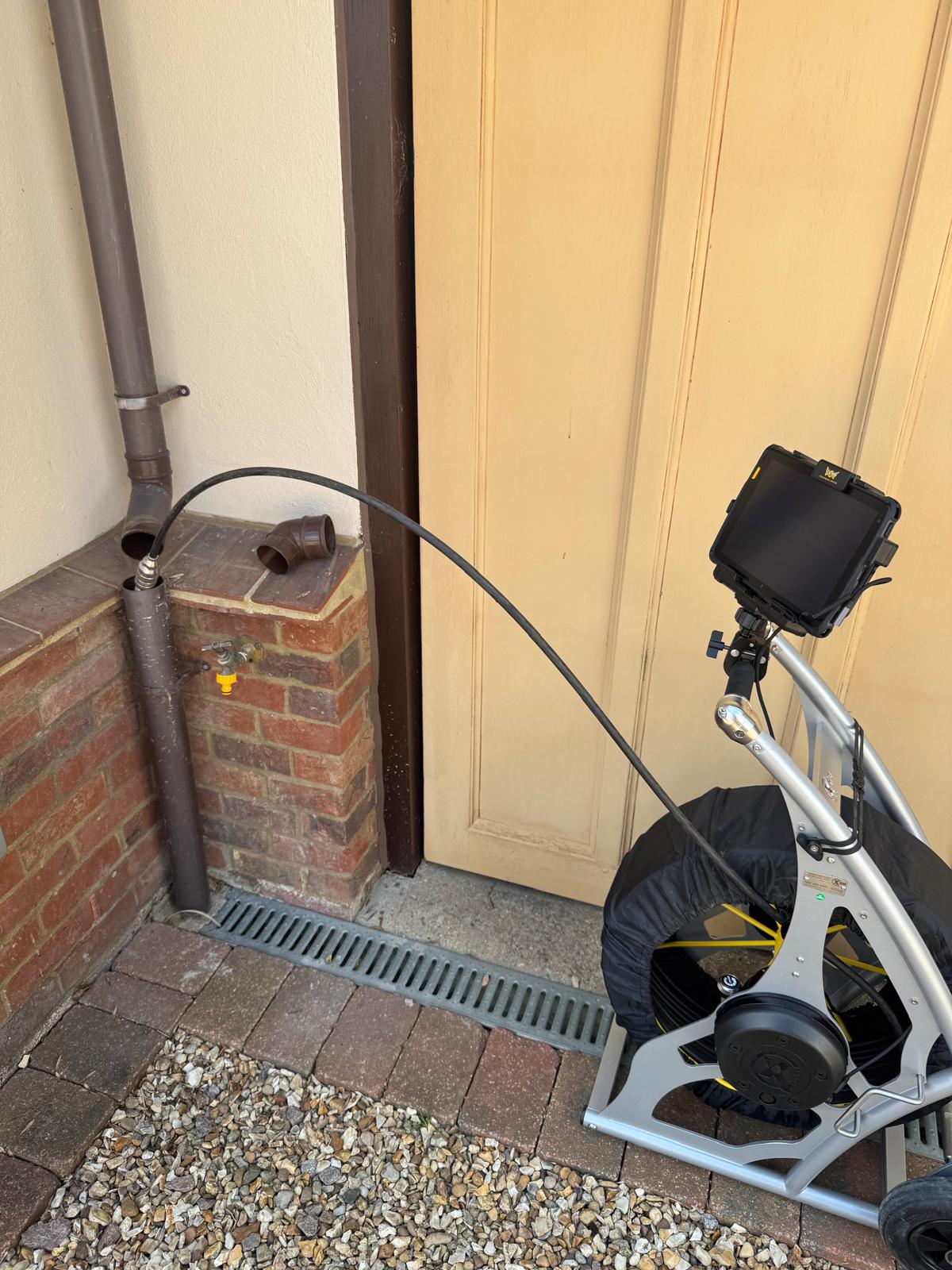
CCTV Drain Survey
Where appropriate, CCTV equipment can be used to inspect underground pipework for blockage, root ingress, displacement, structural damage and other defects.
CCTV drain surveysDrainage Routes, Levels & Falls
Understanding how water is intended to travel through the drainage system can help identify restrictions, unsuitable arrangements and problematic levels.
Locating Buried Soakaways
Many older soakaways are completely buried with no accessible inspection provision and their location may not be known. Where necessary, investigation can be undertaken to establish the likely location and arrangement of the existing system.
Physical Investigation
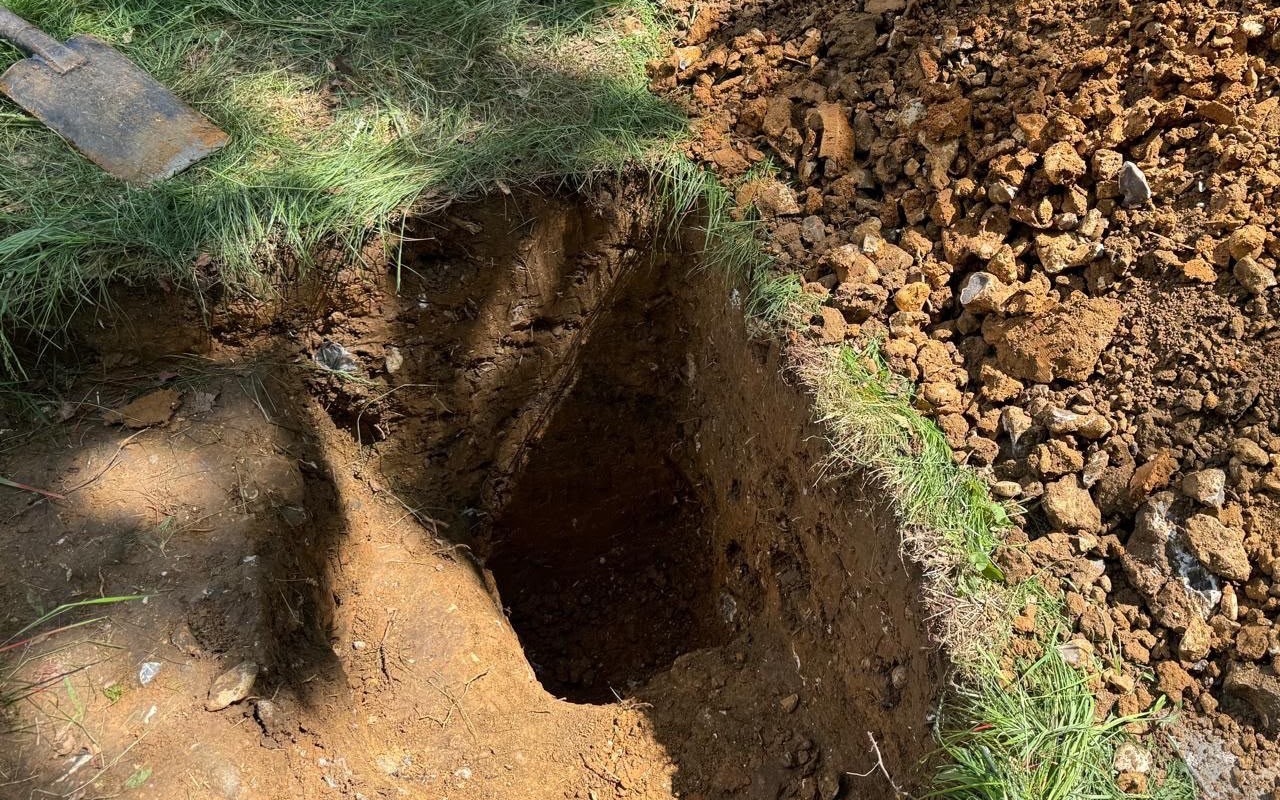
Where non-invasive investigation cannot establish the condition or construction of buried infrastructure, targeted excavation may sometimes be appropriate. The objective is selective investigation based on evidence, rather than unnecessary excavation.
Soakaway Condition Assessment
Where access can safely and practically be achieved, the construction, approximate dimensions, sediment accumulation and visible condition of an existing soakaway can be assessed.
Controlled Water Testing
In appropriate circumstances, controlled introduction of water can help establish how different sections of the drainage system respond and where restrictions may be occurring.
Ground Condition Assessment
The performance of a soakaway cannot be considered independently from the ground surrounding it. Where ground infiltration is in question, further investigation or infiltration testing may be recommended.
Percolation & infiltration testingOld Rubble & Hardcore Soakaways
Many older properties across Hertfordshire have soakaways constructed long before modern cellular soakaway systems became commonplace.
Traditionally, an excavation would be filled with rubble, hardcore, brick or other granular material. The voids between the material provided temporary storage while allowing rainwater to disperse into the surrounding ground.
Some of these systems continue to perform successfully decades later.
Others gradually lose effectiveness.
Fine sediment can fill the available voids. Leaves and organic material can enter through the drainage system. Roots can penetrate damaged infrastructure. Soil can migrate into the structure and incoming drainage can become obstructed. The result can be a gradual reduction in storage and drainage performance.
An old soakaway does not automatically need replacing.
Its age alone is not a diagnosis.
The condition of the soakaway, the drainage feeding it, the amount of water entering the system and the surrounding ground should all be considered before replacement is recommended.
Does My Soakaway Need Replacing?
Not necessarily.
The appropriate solution depends on what the investigation establishes.
If the soakaway remains functional but the incoming drainage is blocked or damaged, repairing that drainage may resolve the problem without replacing the soakaway.
Where drainage alterations or increased surface water flows are contributing to the problem, changes elsewhere in the system may provide a better solution.
Where the existing soakaway has genuinely reached the end of its useful life, replacement or an alternative drainage arrangement may be required.
Where a new or replacement surface-water soakaway is proposed, formal BRE 365 testing may be required to establish whether the ground is suitable and provide an infiltration rate for the design.
Depending on the findings, remedial works can include:
- Clearing obstructed surface water drainage
- Removing root ingress where appropriate
- Repairing damaged or collapsed pipework
- Reconfiguring drainage connections
- Providing improved inspection access
- Rehabilitating existing drainage where practical
- Providing additional storage or attenuation
- Installing additional or replacement soakaway capacity
- Developing an alternative surface water drainage solution where infiltration is unsuitable
Replacement should be the result of the diagnosis —
not the starting assumption.
Before Installing a Replacement Soakaway
If investigation establishes that a soakaway genuinely requires replacement, simply excavating another hole does not guarantee that the new system will work.
A soakaway relies on the surrounding ground accepting water.
Its suitability and required capacity can be affected by:
- Ground conditions
- Infiltration characteristics
- Impermeable catchment area
- Available space
- Proposed depth
- Groundwater conditions
- Proximity to buildings and other constraints
- The volume and intensity of rainfall entering the system
Where appropriate, percolation and infiltration testing can be undertaken to establish how effectively the ground accepts water and provide information for the design of a suitable surface water drainage system.
What You See vs What Could Be Happening
| What you see | Possible causes |
|---|---|
| Gully overflows when it rains | Blocked pipework, restricted soakaway or insufficient capacity |
| Soakaway remains full | Poor infiltration, saturated ground, siltation or system deterioration |
| Water backs up almost immediately | Pipe restriction, blockage or soakaway already at capacity |
| System works in light rain but floods during storms | Insufficient storage, restricted infiltration or saturated ground |
| Drainage gradually becomes less effective | Siltation, root ingress, ageing infrastructure or deteriorating pipework |
| Flooding begins after an extension or paving | Increased impermeable catchment or altered drainage |
| Water remains present during prolonged dry weather | Leaking water service, groundwater or another non-rainfall source |
The symptom helps guide the investigation. It does not replace it.
A Waterlogged Garden During 50 Days of Drought
A property near Baldock presented with an unusual drainage problem.
Despite approximately 50 days of exceptionally dry weather, including prolonged high temperatures, areas of the garden remained saturated. Standing water was present and the lawn remained soft and waterlogged while surrounding ground was drying out.
It would have been easy to treat this simply as poor garden drainage.
Our investigation established two separate problems.
A burst underground water service beneath the patio
Water was continuously escaping into the surrounding ground.
A blocked historic hardcore soakaway and associated drainage
The existing surface water system was heavily contaminated with organic material and unable to function correctly.
The leaking water service was repaired and the failed surface water drainage arrangement was addressed, including installation of a new drainage solution.
Once the actual causes were removed, the garden began recovering.
One symptom. Two separate causes.
View the full Baldock case studyFrom Investigation Through to Construction
Flowcraft Groundworks combines drainage investigation with practical groundworks capability.
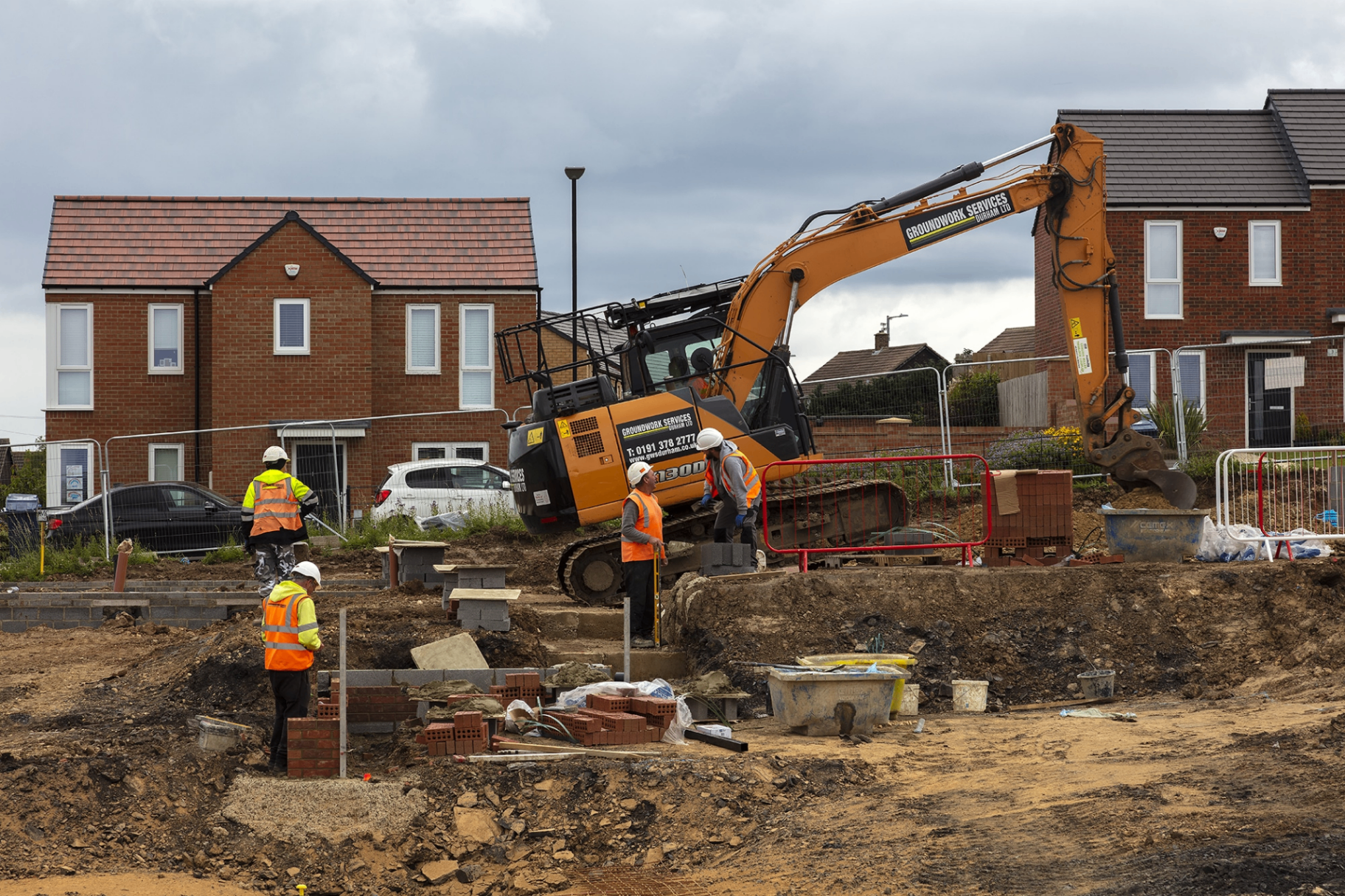
Where required, we can investigate how an existing system works, identify the likely failure mechanism, develop an appropriate remedial approach and undertake the excavation, drainage installation and reinstatement required to resolve the problem.
This provides continuity from the original diagnosis through to the completed works.
We don't start by asking:
"Where should we dig?"
We start by asking:
"Why isn't the water getting away?"
Soakaway Investigation Across Hertfordshire
Flowcraft Groundworks provides soakaway and surface water drainage investigations throughout Hertfordshire and surrounding areas, including:
We also undertake suitable projects across surrounding areas of Buckinghamshire and Bedfordshire.
Related Guidance
Homeowner guides on overflowing soakaways, garden flooding and soakaway testing.
Is Your Soakaway Backing Up
Or Not Draining?
If rainwater drainage is overflowing, your soakaway remains full or an existing surface water system is no longer performing as it should, the first step is establishing why.
Avoid unnecessary excavation and replacement by understanding the existing drainage system first.
Investigate the cause. Then fix the right problem.
Call, WhatsApp or email anytime