Knowledge Centre · Private Drainage & Wastewater

What Is a Septic Tank?

Author
Jamie Hopcraft, Flowcraft Groundworks Ltd
Category
Private Drainage & Wastewater
Published
Published

A septic tank is an underground tank that receives household wastewater and separates solids from the liquid. Some organic matter breaks down inside the tank, but the liquid leaving it still needs further treatment, normally in a suitable drainage field. A septic tank is one part of the complete drainage system. [1]

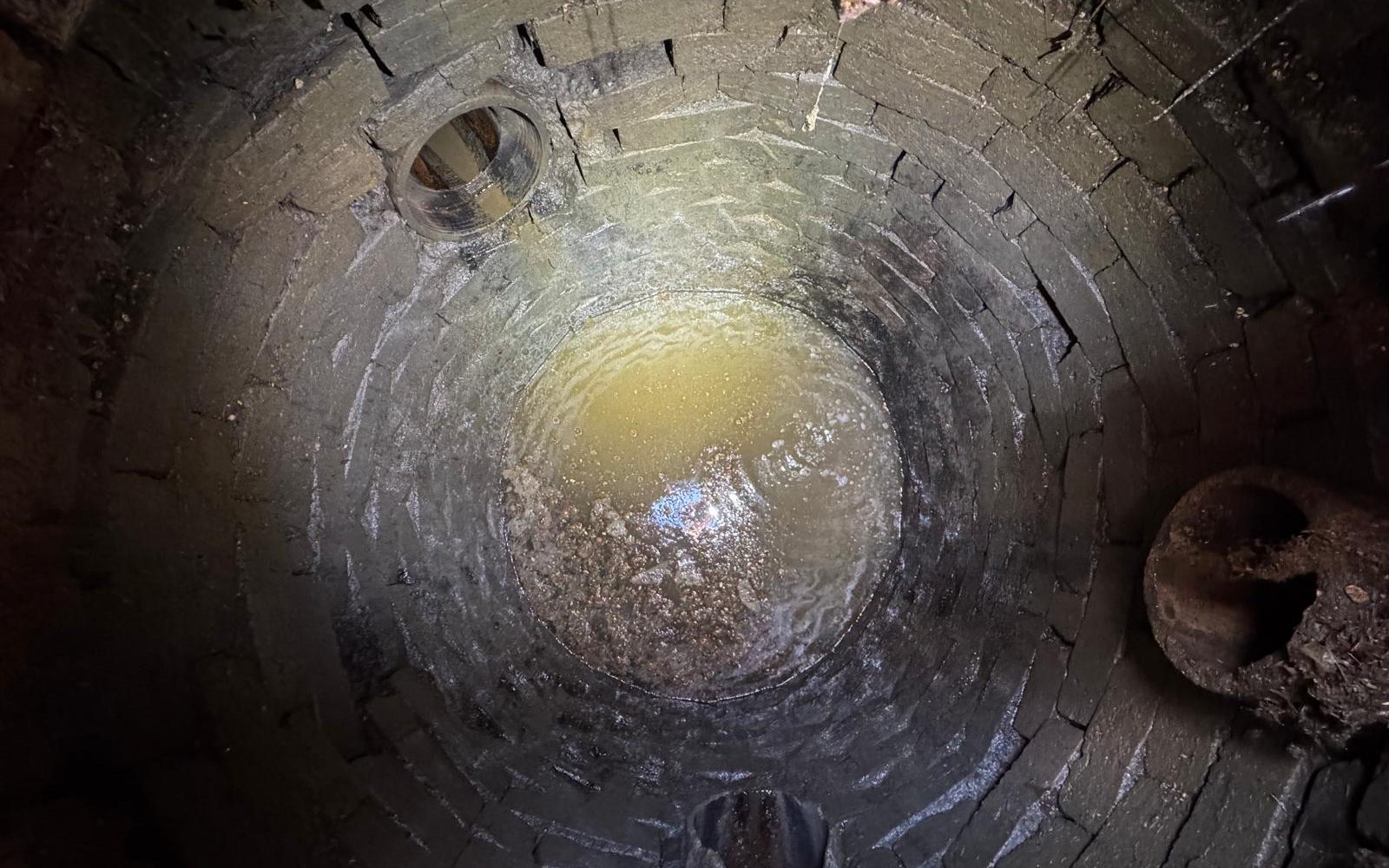
Septic tanks include older brick-built or concrete chambers as well as factory-made tanks. A brick-built tank uses the same basic settlement process. Its condition, internal layout and discharge arrangement determine how it performs. [3]

This guide explains how septic tanks work, what owners need to maintain and which signs deserve investigation. The regulatory information applies to England. Different arrangements apply in Wales, Scotland and Northern Ireland.

Inside an old round brick wastewater chamber with inlet pipes and liquid at the base, seen during a Flowcraft drainage inspection
Inside an old round brick wastewater chamber, seen during one of our drainage inspections.

How does a septic tank work?

Wastewater from the property enters the tank through the inlet pipe. Inside, the flow slows so materials can separate: [1]

  • Heavier solids settle at the bottom and form sludge.
  • Lighter material, including fats and grease, collects at the surface as scum.
  • Natural biological activity breaks down some organic material, while solids continue to accumulate.
  • The partly treated liquid, called effluent, leaves through the outlet for further treatment.

Baffles, dip pipes and chamber divisions help control flow and retain solids. Older brick-built tanks may use masonry dividing walls and clay or other pipe fittings. Identify the actual layout: damaged or missing parts can let solids reach the outlet and affect the receiving system. [2, 3]

A septic tank should contain its contents and direct effluent through the intended outlet. It is not designed to dispose of sewage through leaking walls or an open bottom. [3]

Septic tank, treatment plant or cesspool?

These terms are often confused. They describe systems with different jobs and different maintenance needs. [1, 5, 7]

Septic tank, sewage treatment plant and cesspool compared
SystemMain jobWhat happens to the contents
Septic tankSeparates solids and provides partial treatment.Effluent leaves for further treatment; accumulated sludge is removed by tanker.
Sewage treatment plantProvides a higher level of biological treatment.Treated effluent leaves through a suitable, lawful discharge arrangement; sludge still needs removal.
Cesspool or cesspitStores sewage in a sealed tank.All collected sewage is removed by tanker. There is no discharge outlet.

Our sewage treatment plant guide explains how treatment equipment differs from a septic tank. A cesspool has no authorised overflow: if sewage is leaving one, the arrangement needs investigating. [7]

How can you tell which system is installed?

For a factory-made tank, look for its name, model and installation records. An older brick-built tank may have no manufacturer’s label or surviving drawings. A survey should establish its dimensions, chambers, connecting openings, inlet and outlet, and any later alterations.

Check how those components work together. Several covers do not necessarily mean several separate tanks, and a hose or cable alone does not identify the treatment process. The report should record the construction and layout found, with any concealed or inaccessible parts clearly identified.

Should a septic tank be full of water?

A working septic tank normally contains liquid at its designed operating level. As new wastewater enters, effluent is displaced through the outlet. Seeing liquid in the tank does not, by itself, mean it is overdue for emptying. [2]

There are two different checks: how much sludge has accumulated, and whether liquid can leave at the correct level. Liquid backing up above the expected outlet level, combined with surcharged drains or poor discharge, needs investigation. Desludging addresses accumulated solids; it does not automatically clear a blocked outlet or restore a failed drainage field.

How do we check whether an older brick septic tank is working?

The inspection needs to follow the wastewater from the incoming drains, through the tank and onward to its discharge. For a brick-built tank, the checks include: [14, 15]

  • Brickwork and joints. Look for cracked, loose or displaced bricks, deteriorated mortar, roots, bulging walls and damage to any internal render. Check the visible base and roof slab where access permits.
  • Chamber divisions and fittings. Check that dividing walls, connecting openings, baffles and dip pipes are intact and performing their intended job. A collapsed partition can allow sewage to bypass the intended settlement route.
  • Liquid level and leakage. Compare the level with the outlet arrangement and recent use. An unexplained low level can indicate leakage; a high level or backflow can indicate restricted discharge. Look for groundwater entering through joints or pipe connections.
  • Sludge and scum. Assess accumulation and whether the tank retains solids. Excess sludge reduces useful capacity, while solids escaping through the outlet can damage the receiving field.
  • Connected drains and flow. Where appropriate, observe flow during controlled water use and inspect accessible foul drains for blockage, deposits or staining from previous backing up.
  • Discharge route and receiving ground. Establish where the outlet leads. Check for a submerged outlet, ponding, surfacing effluent or other evidence that the receiving system cannot accept the discharge.
  • Covers and access. Check lids, frames, supporting masonry and visible slab condition. Record damaged, loose or unsafe access points and access needed for maintenance.

These findings build the operational assessment. A toilet flushing freely or a tank having been emptied is not enough on its own. The report should state whether the evidence supports normal operation, identifies a defect, or requires further inspection or testing.

Liquid and sludge can conceal the lower walls and base. Record working levels first, then arrange controlled emptying if needed for inspection from outside. A visual inspection alone cannot prove every joint is watertight; suspected leakage may need a separate test. Recent emptying, low occupancy and dry conditions can also mask problems. [14, 15]

Where does the wastewater go after the tank?

A conventional system sends effluent into a drainage field: a designed arrangement that spreads it through suitable soil for further treatment and dispersal. A rainwater soakaway, French drain or garden land drain performs a different job and should not be treated as an interchangeable substitute. [3]

The tank and receiving ground must be assessed together. An old brick tank may be sound while its outlet or drainage field is failing. Older records may simply call the discharge a “soakaway”; establish what is actually installed and whether it provides suitable treatment and dispersal.

In England, qualifying discharges to ground can operate without an environmental permit when every applicable General Binding Rule is met. The volume limit is 2,000 litres a day, but the limit alone does not establish compliance. Location, treatment, operation and other conditions also matter. [13]

Where the exemption does not apply, the route may involve changes to the system, a sewer connection or an environmental permit. Read our General Binding Rules guide for the full explanation. [6]

What maintenance does a septic tank need?

Sludge must be removed before it exceeds the tank’s maximum capacity. Environment Agency guidance recommends desludging at least annually or following the manufacturer’s instructions. Use a registered waste carrier. For a brick tank without instructions, ask a competent maintenance contractor about its care. [4]

Emptying removes accumulated solids; inspection checks condition and operation. With brick-built tanks, record masonry, chamber divisions, fittings and covers as well as flow. Keep maintenance records and arrange repairs to defects found. [8]

Agree safe tanker access and an emptying procedure suitable for the tank’s construction and groundwater conditions. Where an old brick tank has no instructions, the contractor should assess the arrangement before pumping it down, particularly in wet ground. [8]

Keep covers secure and arrange repairs to damaged lids promptly. Do not enter a tank or chamber: dangerous atmospheres and other confined-space hazards can be present. [12]

What signs suggest a problem?

  • Drains backing up, toilets draining slowly or repeated blockages.
  • Persistent sewage smells around the tank or receiving area.
  • Effluent appearing at the surface or an unusually wet area over the field.
  • High liquid levels and staining that indicate earlier surcharge.
  • Damaged covers or fittings; in brick tanks, cracked or displaced masonry and deteriorated joints.

These observations help direct the investigation. Odour, for example, can involve ventilation as well as wastewater escaping. Wet ground may involve drainage failure, groundwater or another water source. Establish the cause before choosing the repair. [11]

Tell the investigator when the symptoms occur, whether they worsen after rain and when the tank was last emptied. Photographs taken safely during a problem can help explain conditions that are different on the survey day.

Does the whole system need replacing?

The recommendation should follow the findings. An older brick tank may be repairable where a local defect can be corrected safely and the remaining structure and arrangement are suitable. Extensive structural damage, an ineffective internal layout or an unsuitable discharge may require more substantial work. Establish whether repair can restore reliable operation before recommending replacement.

Before choosing septic tank or treatment plant replacement, establish where the effluent will go. Installing a treatment plant does not change the permeability of clay or create capacity in a saturated field. The discharge arrangement may need its own investigation, testing and design.

What should a homebuyer check?

Establish the system type, discharge route, accessible condition, maintenance history and applicable requirements. For an old brick tank, ask what was inspected and whether walls, base or chamber divisions remained concealed. Connected foul drains may show earlier backing up through deposits or staining, even when the tank level looks normal on the day.

Ask for the findings early enough to discuss repairs, costs and any unresolved matters with your solicitor before exchange. For a shared system, the solicitor should also review access, ownership and maintenance responsibilities.

Our homebuyer septic tank guide covers the purchase questions in detail. The Septic Tank, Sewage Treatment Plant and Drainage Survey Package explains Flowcraft’s inspection service and what is included.

FAQs

Frequently asked questions

Are septic tanks banned in England?

No. A septic tank can remain in use where the complete system and discharge meet the applicable requirements. Direct septic-tank discharge to a watercourse does not meet the General Binding Rules; the treatment and outlet need addressing. [5, 13]

Can a septic tank discharge into a stream or ditch?

Septic-tank effluent needs further treatment before a watercourse discharge. A complete system incorporating suitable secondary treatment may discharge where it meets the applicable rules or an appropriate environmental permit. Environment Agency guidance recognises certain reedbed or secondary-treatment arrangements after a septic tank, subject to standards or permitting. Check the actual treatment, outfall and authorisation; a clear-looking discharge does not establish permission or treatment quality. [5]

Does every septic tank need an Environment Agency permit?

No. A qualifying discharge meeting all applicable General Binding Rules does not need an individual permit. Where those conditions cannot be met, the permit position needs resolving. Applications are assessed against the proposed system, location and sewer-connection options; approval is not automatic. [6]

What if the discharge is in Source Protection Zone 1?

SPZ1 is an area protecting a drinking-water source. Environment Agency guidance requires a permit for a discharge to ground in SPZ1, apart from the stated SPZ1c exception. This applies to existing as well as new discharges. Check the discharge location and nearby drinking-water supplies. [4]

Does a septic tank need electricity?

A conventional gravity septic tank, including a brick-built one, does not need electricity for settlement or powered aeration. Lack of bubbling or agitation is not evidence that this type of tank has stopped working. The wider system may still have a pump or alarm requiring power. [2]

Why does it look full again shortly after emptying?

Normal use refills the tank to its operating level. The important question is whether it then discharges properly. A continuing rise above that level, rapid return of backing-up symptoms or water entering from an unexpected direction needs investigation. Compare the level with the tank’s design, not just the depth of liquid visible through a cover. [2]

Can toilet paper, washing-machine water and kitchen wastewater enter it?

Ordinary domestic wastewater is what the system is designed to receive, provided it is correctly sized and used. Flush human waste and toilet paper; put wipes, sanitary products and other rubbish in the bin. Keep cooking fat and food scraps out of the drains and spread heavy laundry use where practical. [10]

Can I use bleach and normal household cleaners?

Use products suitable for the system and follow their dosing instructions. Avoid tipping concentrated chemicals, solvents, paint or large amounts of disinfectant into the drains. Excess chemicals can affect the biological process. Check with the manufacturer or maintenance contractor if a product or unusual discharge is in doubt. [9, 10]

Do septic tank additives replace emptying?

No. Naturally occurring microorganisms already carry out biological activity, and accumulated solids still need removal. Additives are not a substitute for desludging, repairing a defect or investigating poor drainage. Assess the cause of a problem before spending money on a treatment product. [8, 11]

Can rainwater or swimming-pool water drain into the system?

Keep roof and surface water out of the foul wastewater system. Do not assume it can accept pool emptying or filter backwash: the sudden volume and treatment chemicals need specific assessment. British Water guidance excludes stormwater and requires water-treatment discharges, including chlorinated backwash, to be checked and accepted or excluded by the designer. [9]

Does an old brick septic tank automatically need replacing?

No. Assess the condition and operation of the complete system. Environment Agency guidance exempts systems installed before 1983 from its British Standard requirement, but the other applicable General Binding Rules still have to be met. Later components must meet the standards applying when they were installed. [4]

Can an old brick tank be working even if it looks very basic?

Yes. A basic brick-built tank can work effectively. Check its structure, solids retention and flow, together with the receiving field and discharge requirements. The inspection section above explains what evidence to look for.

How large does a septic tank need to be?

Size it for the maximum expected load and all connected properties, rather than the number of people currently at home. Bedrooms and intended use inform that assessment. Tank storage capacity, daily discharge volume and drainage-field area are separate design questions. A tanker invoice showing the amount removed does not prove the tank’s design capacity. [9]

Do I need a percolation test?

For a proposed drainage field, ground suitability needs assessment, including foul-water percolation testing and groundwater conditions. A BRE 365 surface-water soakaway test is a different test. An inspection of an existing tank does not automatically include excavation or fresh soil testing; percolation and infiltration testing can be arranged where required. [3]

Should I have the tank emptied before a survey?

Agree this with the surveyor first. Record normal levels and flow before emptying. A brick tank may then need controlled emptying to inspect submerged masonry, chamber divisions and the base. Plan this around structural condition, groundwater and tanker access. Emptying alone does not establish that the tank or drainage field works.

What information should be provided when selling?

Under the General Binding Rules, the operator must give the new operator written notice of the discharge, a description of the wastewater system and its maintenance requirements. Pass on available plans, permits and maintenance records as well. Our homebuyer septic tank guide explains the wider checks. [13]

Can Flowcraft confirm whether a system complies?

Yes. Where the relevant information and inspection evidence are available, Flowcraft can provide a written assessment confirming compliance with the applicable requirements within the agreed scope. The report explains the basis of the conclusion and identifies any information still needed. Environmental permits and Building Control approvals are issued by the relevant authorities.

About the author

Jamie Hopcraft

Jamie Hopcraft is the director of Flowcraft Groundworks Ltd. His work includes CCTV drainage surveys, drainage investigations and private wastewater assessments for property purchases.

Hertfordshire, Buckinghamshire & Bedfordshire

Arrange a septic tank and drainage survey

Flowcraft investigates off-mains drainage and wastewater systems across Hertfordshire, Buckinghamshire and Bedfordshire, including Hemel Hempstead, Berkhamsted, Tring and St Albans.

If you are buying a property or have concerns about an existing septic tank, send us the address and a short description. We will explain the suitable survey scope and confirm the price before booking. You receive clear written findings and practical recommendations.