Knowledge Centre · Private Drainage & Wastewater

Does a Level 3 Home Survey
Include a Drainage Survey?

What a home survey checks below ground, why a surveyor recommends further drainage investigation and how to arrange the right follow-up before you buy.

Author
Jamie Hopcraft, Flowcraft Groundworks Ltd
Category
Private Drainage & Wastewater
Published
Published

A Level 3 home survey includes observations of accessible drainage, but a specialist CCTV drain survey is not automatically included. The surveyor checks what can safely be seen and observes drainage in normal use. Checks inside underground pipes, or a detailed septic tank or sewage treatment plant assessment, need to be specifically agreed.[1]

If your survey recommends further drainage investigation before purchase, the next step is to establish which checks are needed and what questions the report must answer.

Flowcraft provides CCTV drainage surveys and private drainage assessments for homebuyers, building surveyors and solicitors across Hertfordshire, Buckinghamshire and Bedfordshire. Send us the drainage section of your home survey so we can quote for the appropriate investigation.

Discuss your survey recommendation

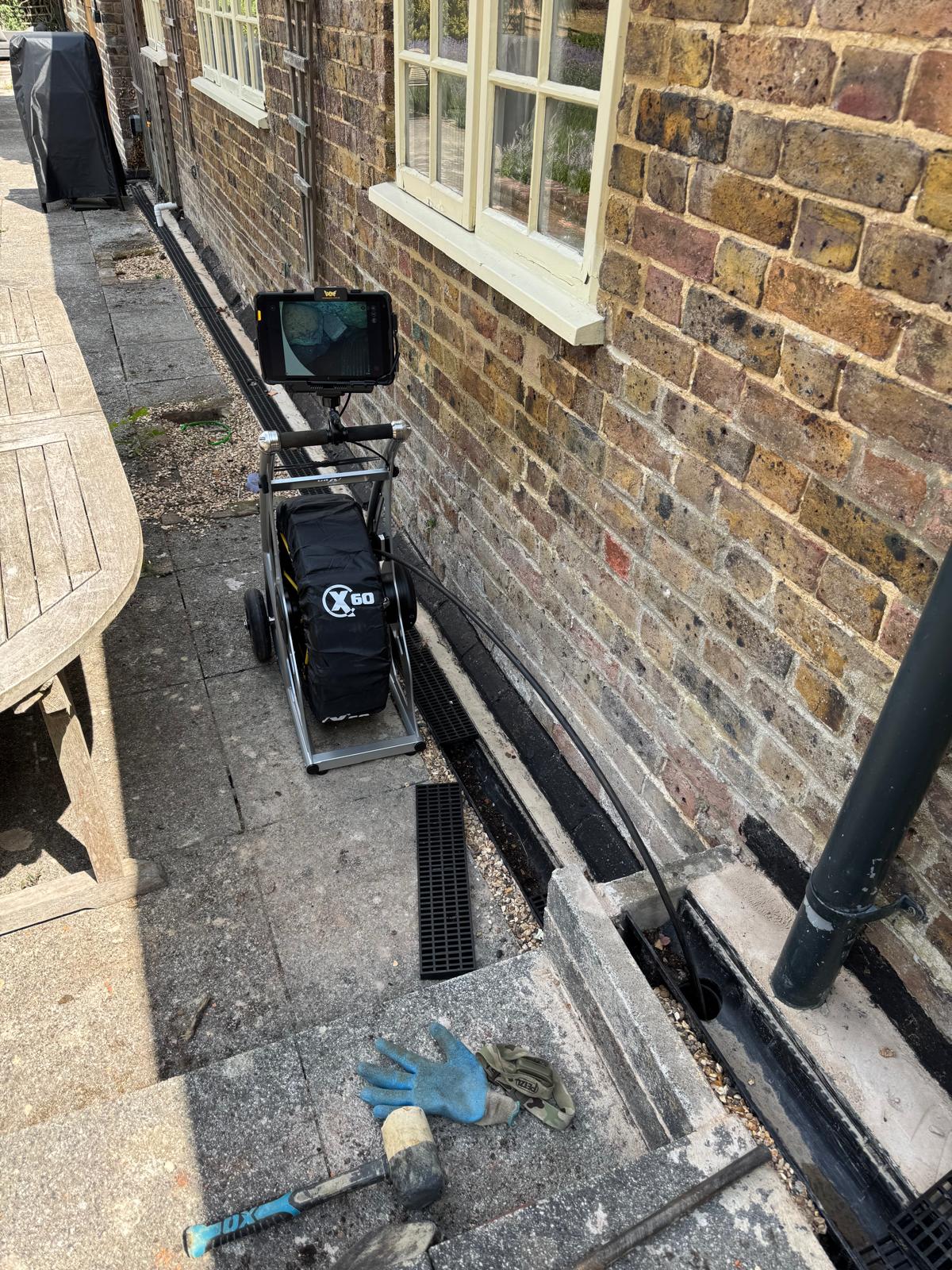
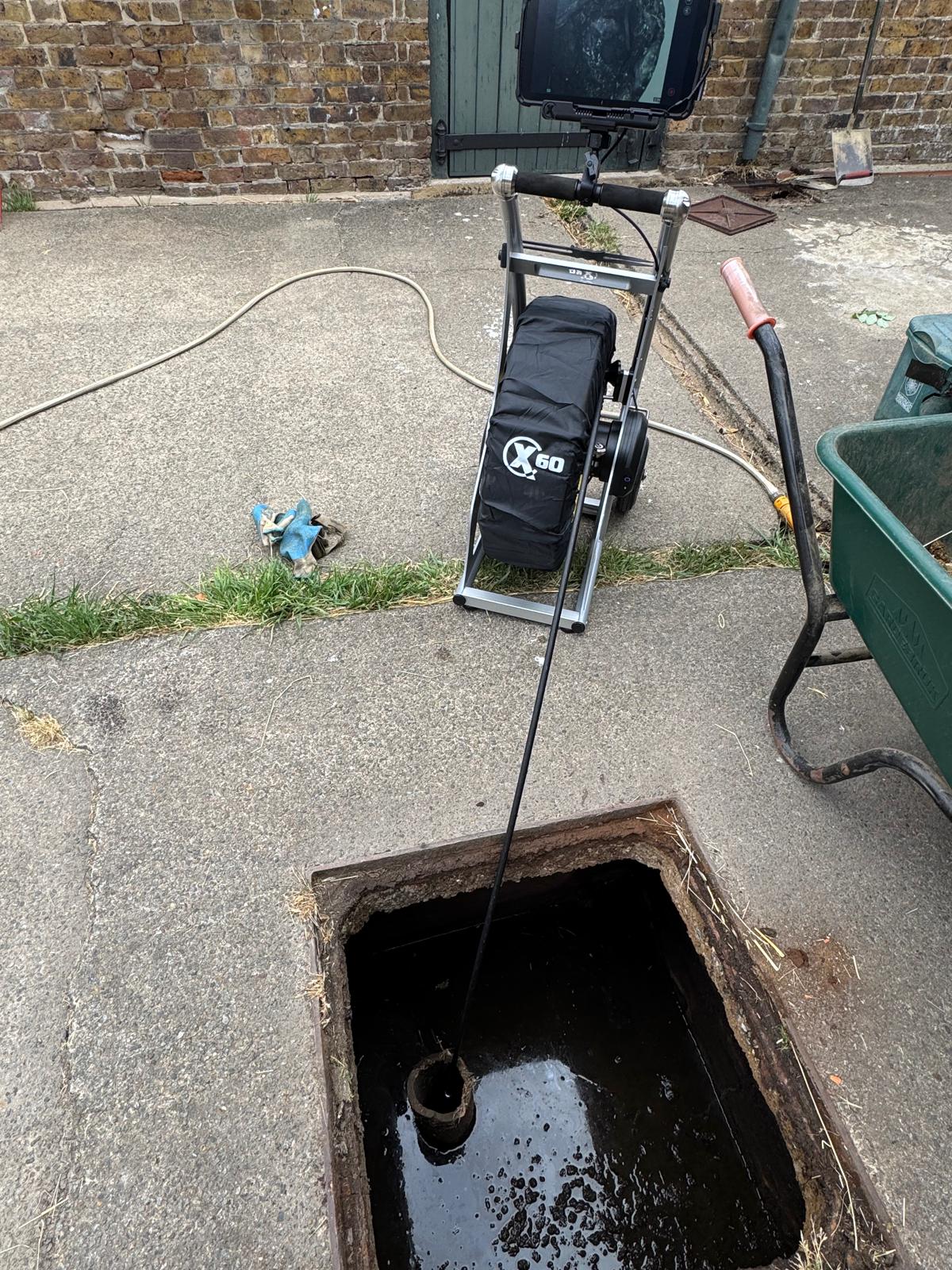
Flowcraft CCTV drain camera unit on a patio beside a house, with the camera cable fed into a drain and live footage on the monitor
One of our CCTV drain surveys at a house: the camera cable runs into the drain beside the wall and the monitor shows the live picture from inside the pipe. A home survey looks into the chambers; this is how the pipework between them is checked.
The Survey Scope

What does a Level 3 survey check below ground?

RICS guidance says the surveyor will lift accessible inspection chamber covers serving drains and septic tanks where it is safe and will not cause damage. They also observe the drains operating in everyday use.[1]

An inspection chamber is an access point into the drainage system, usually beneath a cover in the ground. Looking into it can reveal visible concerns, but it does not show the full length or condition of the buried pipes between access points.

The RICS standard explains that normal-use observations may include running taps and flushing toilets where appropriate and practical. An empty property with its water drained down can limit these observations.[2]

Check your surveyor's terms and the limitations recorded in the report. Some firms arrange additional investigations, so the work already included should be confirmed before booking another visit.

Levels 1, 2 and 3

How do Level 1 and Level 2 surveys compare?

The level describes the home survey as a whole. It does not mean the buyer has commissioned a particular type of specialist drainage investigation.

Drainage scope of RICS home survey levels
Home surveyDrainage scope in the RICS guidance
Level 1The standard scope does not include lifting drainage or septic tank inspection covers.[2]
Level 2Accessible covers are lifted and chambers visually inspected where safe and without damage.[3]
Level 3Accessible chambers are inspected and drainage is observed in normal use, where practicable.[1]

Level 2 is also commonly called a HomeBuyer survey or HomeBuyer Report. Level 3 is commonly called a Building Survey.[6] Both can lead to a recommendation for specialist drainage investigation. A mortgage valuation serves a different purpose and should not be treated as a drainage condition report.

The Recommendation

Why has my surveyor recommended a drainage survey?

A recommendation does not automatically mean the drains have failed. The surveyor may have seen a concern, been unable to inspect an important area, or identified a question that needs specialist evidence.

Reasons to investigate can include recurring blockages, damaged chambers, evidence of backing up, unknown drainage routes, or uncertainty about a private sewage system. Sometimes the purpose is to establish the condition of concealed pipework before purchase even though no obvious drainage problem has been reported.

The wording matters. A request to inspect pipes by CCTV differs from a request to assess a shared treatment plant, its capacity and its discharge arrangement. Send the actual recommendation so the investigation can address it.

Three Types

Which drainage investigation do I need?

CCTV inspection of underground pipes

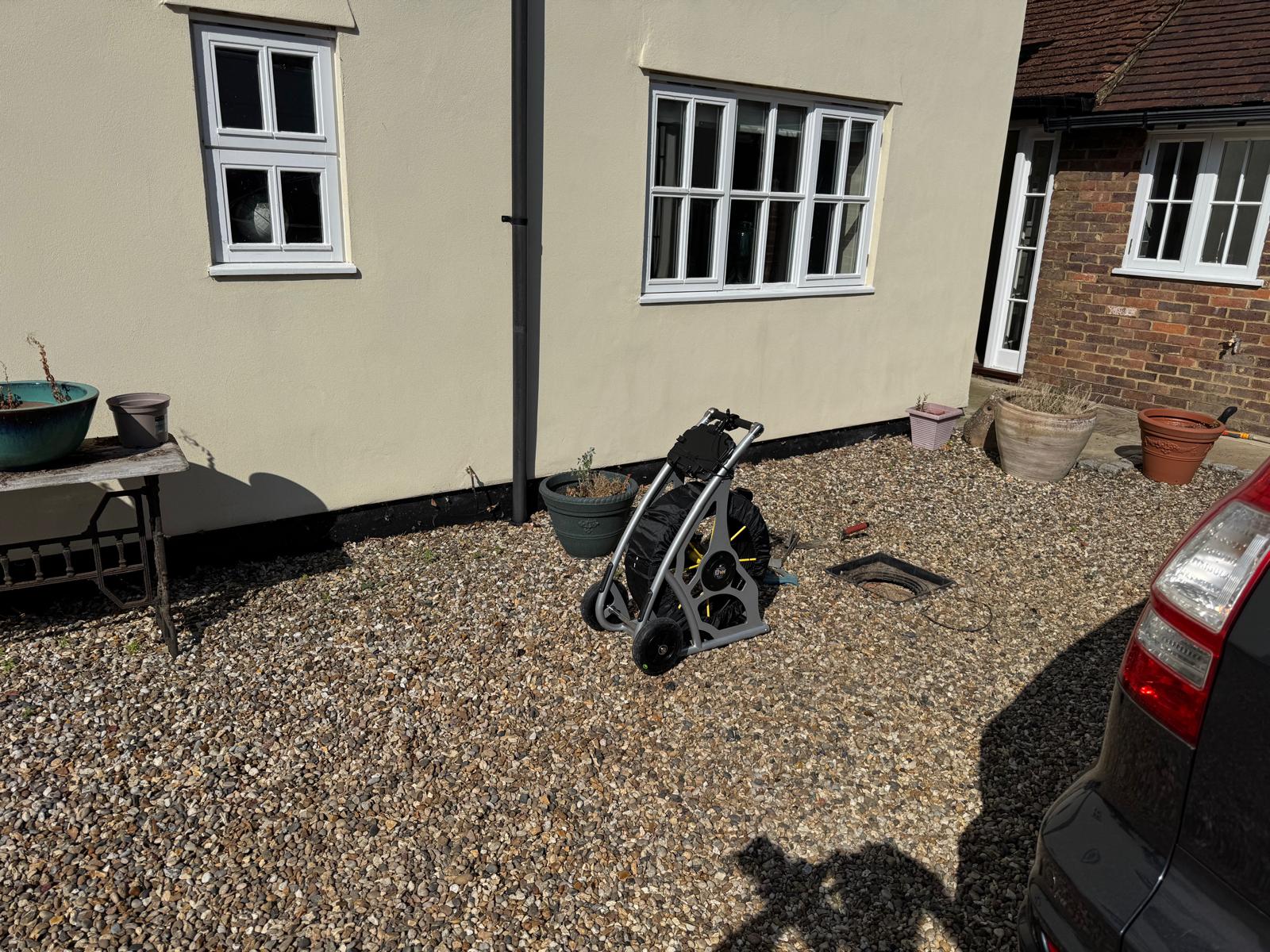
A CCTV drain survey uses a camera to examine accessible pipework internally. It can record visible cracks, displaced joints, roots, deposits and obstructions, subject to access and visibility. The findings should identify the sections inspected and explain any areas the camera could not reach.

A camera inspection alone does not prove that every joint is watertight, establish all ownership responsibilities or confirm how a whole system performs in prolonged wet weather. Drain tracing, cleaning or other tests may be needed to answer particular questions.
Septic tank or sewage treatment plant assessment

Where a property uses private wastewater drainage, the investigation may need to cover the tank or plant, connected pipework and the place where the wastewater ultimately discharges. Shared systems also need their capacity and the properties they serve considered.

Useful evidence includes installation details, service and emptying records, drainage plans and any environmental permit. A clear CCTV recording of the incoming pipe cannot, by itself, establish the condition or compliance of the entire installation.

In England, the relevant general binding rules or environmental permit conditions must be considered alongside the actual system and discharge arrangement.[4] Our homebuyer private drainage guide explains the wider checks.

Drainage investigation and consultancy

Where the route or outlet is unknown, or the concerns involve flooding, soakaways or several connected systems, drainage investigation and consultancy may be the appropriate starting point. We can agree the necessary checks before quoting, including whether tracing or additional testing is required.

The Deliverable

What should the written report tell me?

A useful report should answer the questions that prompted the investigation and explain:

  • What was inspected, how it was inspected and which parts were inaccessible.
  • The relevant findings, with photographs or CCTV references where applicable.
  • What those findings mean for the drainage system.
  • Recommended repairs, further checks or maintenance, and their priority.
  • Any outstanding information needed before a conclusion can be reached.

Confirm whether the quotation includes the recorded CCTV footage, relevant still images and a drainage sketch or plan. These are different deliverables. A basic route sketch is also different from a measured survey drawing.

If repair costs are needed for a purchase discussion, ask whether the figure supplied is an initial budget or a separate quotation for the work.

Timing

When should I arrange the investigation?

Where your survey recommends investigation before exchange of contracts, arrange it early enough to receive the report and discuss the findings with your surveyor and solicitor. Allow time for access arrangements, any further checks and repair quotations if needed.

Tell us your proposed exchange date when enquiring. We will confirm availability and the expected reporting time before booking. The findings can inform your purchase discussions; your solicitor advises on the contractual decisions.

Professionals

Information for surveyors and solicitors

Please send the relevant report extract or a list of the drainage questions requiring an answer. Identify whether the instruction concerns pipe condition, a private wastewater system, an unknown outlet or another specific issue.

Tell us who is commissioning the work, who needs the report and whether a lender has specified any wording, evidence or professional requirements. The inspection scope and intended use can then be agreed before attendance.

For shared drainage, the physical findings should be considered alongside the ownership, access rights and maintenance arrangements checked by the solicitor.

Before Booking

What to send Flowcraft before booking

  • The property address and the drainage recommendation from your home survey.
  • Whether the property connects to mains drainage or a private system, if known.
  • Any plans, previous reports, servicing records or permit documents available.
  • Known symptoms and the location of accessible covers or tanks.
  • Who can arrange access, including permission for neighbouring land where needed.
  • Your purchase timescale and who will use the report.

You do not need every document before contacting us. Tell us what is missing so we can explain what can be established and whether further information or investigation will be needed.

FAQs

Frequently asked questions

Do I need a CCTV drain survey if there are no known problems?

You may still have a reason to investigate if your home survey recommends it or the buried drainage condition is uncertain. Normal drainage use and the absence of reported blockages do not establish the condition of every underground pipe. Start with the questions raised in your survey.

Is a drainage survey compulsory when buying a house?

There is no general requirement for every house purchase in England to include a CCTV drain survey. A surveyor, solicitor or lender may request further evidence for your particular purchase. Check the recommendation and any lender conditions before deciding how to proceed.[6]

Is my solicitor's drainage search the same as a drainage survey?

No. A drainage and water search, such as CON29DW, provides records-based information. It does not involve inspecting the private drains with a camera. Thames Water's search terms specifically explain that the report is not a substitute for physical investigation or inspection.[5]

Can you inspect a shared system on a neighbour's land?

Yes, where the necessary permission and safe access have been arranged. Tell us which properties share the system and who manages it. If access to the tank, plant or outlet is unavailable, we will explain how that limits the assessment and record the areas not inspected.

Does a septic tank or treatment plant need to be emptied first?

Please speak to us before arranging emptying. It may help expose parts of the tank for inspection, but the timing depends on the system and the checks required. An occupied system can still provide useful operating evidence. Never enter a tank or chamber yourself.

Can Flowcraft confirm that a private drainage system is compliant?

Yes, where the relevant information and inspection evidence are sufficient to support that conclusion against the applicable requirements. The report will explain the basis and scope of the assessment. If evidence is missing, we will identify what remains unverified. Our assessment does not replace any required environmental permit or other approval.

Will my solicitor or mortgage lender accept the report?

We can provide written findings for your property purchase, but acceptance depends on the recipient's requirements. Send any lender or solicitor instructions before booking so we can confirm whether the proposed scope, evidence and report meet what they have requested.

Will I receive CCTV footage as well as a written report?

Tell us that you need both when enquiring. The quotation will confirm the written report, recorded footage and supporting images included in your instruction. If access, an obstruction or poor visibility prevents a section being recorded, the report will explain that limitation.

How much does a homebuyer drainage investigation cost?

Flowcraft's initial domestic investigations have a minimum fee of £350 plus VAT (£420 including VAT). The final price depends on the drainage layout, access and scope. Shared systems and wider wastewater assessments are quoted individually. Your quotation will specify the inspection, reporting, footage and any additional work included.

Next Step

Arrange a drainage survey following your home survey

Send us the drainage section of your Level 3 or Level 2 report, the property address and your purchase timescale. We will explain the appropriate investigation and provide a clear quotation.

Flowcraft works across Hertfordshire, Buckinghamshire and Bedfordshire, including Hemel Hempstead, Berkhamsted, Tring and St Albans.

Call 07908 899417 or email jamie@flowcraft.uk.

Further reading

  1. [1]RICS guidance on Level 3 inspection scope
  2. [2]RICS Home survey standard
  3. [3]RICS guidance on Level 2 inspection scope
  4. [4]Environment Agency guidance on sewage discharges to ground in England
  5. [5]Thames Water sample drainage and water search and its limitations
  6. [6]RICS consumer guide to house surveys and further investigations

This guide concerns property purchases in England. Survey scope and the requirements for an individual drainage system should be checked against the relevant documents and site evidence.

About the author

Jamie Hopcraft

Jamie Hopcraft is the director of Flowcraft Groundworks Ltd. His work includes CCTV drainage surveys, drainage investigations and private wastewater assessments for property purchases.

Flowcraft groundworks team on site

Survey Recommended
Further Investigation?

Send us the drainage section of your report, the property address and your purchase timescale. We will explain the appropriate investigation and provide a clear quotation.